
First Dough
1️⃣ 200 g (1 ⅔ cups) strong Manitoba flour (W 380–400)
2️⃣ 80 g (⅓ cup) water at 77°F (25°C)
3️⃣ 70 g (⅓ cup) granulated sugar
4️⃣ 70 g (5 tbsp) softened butter
5️⃣ 3 egg yolks
6️⃣ 60 g (¼ cup) refreshed sourdough starter or natural yeast
Second Dough
7️⃣ All the first dough, fully risen
8️⃣ 50 g (⅓ cup) strong Manitoba flour
9️⃣ 60 g (⅓ cup) granulated sugar
🔟 80 g (5 tbsp) softened butter
1️⃣1️⃣ 1 tsp acacia honey
1️⃣2️⃣ 3 egg yolks
1️⃣3️⃣ 1 vanilla bean, scraped
1️⃣4️⃣ Zest of 1 orange and 1 lemon
1️⃣5️⃣ 80 g (½ cup) soaked raisins
1️⃣6️⃣ 60 g (½ cup) diced candied orange peel
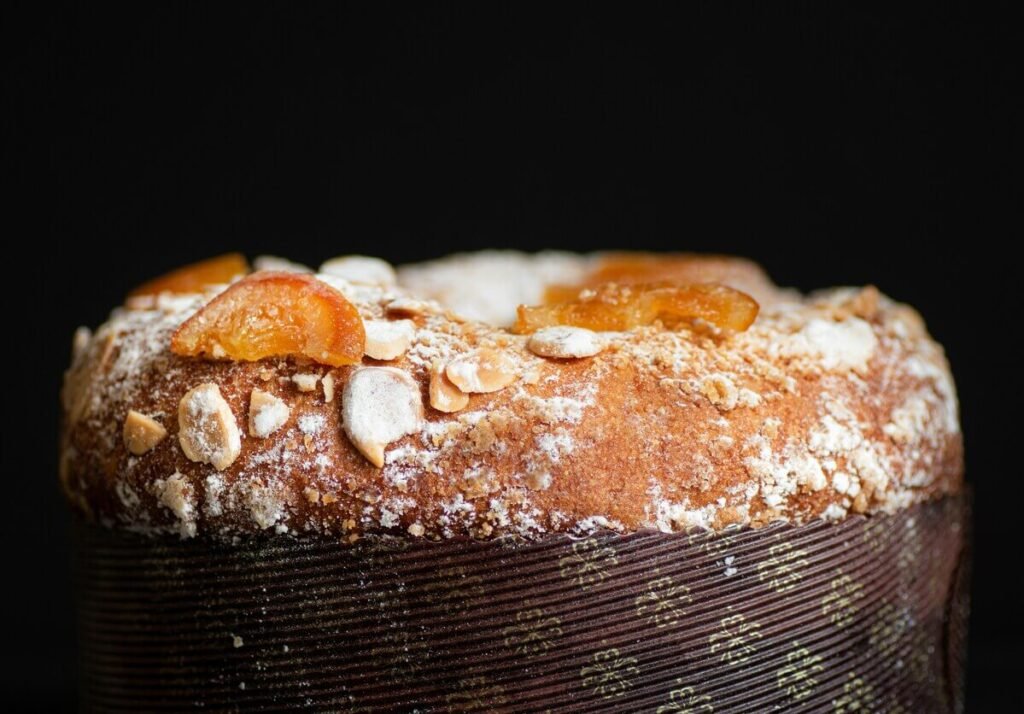
The Milanese Panettone is not just a Christmas dessert — it’s a ritual, a symbol of patience, mastery, and Italian craftsmanship. Born in the heart of Lombardy, this golden dome of buttery, citrus-perfumed bread has conquered tables across the world.
Making Panettone from scratch is a true test of skill: it demands time, precision, passion, and the right professional baking tools.
What makes Panettone magical is its perfect harmony — a tall, golden dome; a soft, stringy crumb; and a rich aroma of vanilla, butter, and candied orange. Achieving that signature texture requires controlled fermentation, premium ingredients, and precise equipment such as a stand mixer, digital thermometer, and proofing chamber.
This recipe is designed for advanced bakers who want to recreate the authentic Italian bakery experience at home.
Stand mixer with dough hook → essential for kneading long and strong doughs without overheating them.
Digital thermometer → keeps dough below 80°F (26°C) for optimal gluten and yeast performance.
Precision kitchen scale → for exact measurements — crucial in artisan baking.
Silicone spatula → perfect for folding without breaking the dough structure.
Large bowls with plastic wrap → ideal for proofing overnight.
1 kg Panettone paper mold → the classic Italian format for tall baking.
Static oven with internal thermometer → ensures even heat and rise.
Cooling skewers or metal knitting needles → to invert the Panettone after baking and prevent collapse.
👉 Recommended tools (available on Amazon): professional stand mixer, oven-safe thermometer, heat-resistant silicone spatulas, Italian paper molds for Panettone.
1️⃣ First Dough – The Heart of the Panettone
Start by combining lukewarm water (77–80°F) and your refreshed sourdough starter in the bowl of your stand mixer fitted with a dough hook. This machine is absolutely essential for Panettone: the dough is extremely rich in fats and needs long, controlled kneading to develop strength without overheating. Mixing by hand would be nearly impossible here — the stand mixer provides consistent motion and prevents the gluten structure from breaking down.
Add half of the flour and mix on low speed. Gradually incorporate the sugar and egg yolks, alternating with the remaining flour. This alternating method helps the proteins hydrate evenly, avoiding lumps and ensuring the dough remains elastic. As the mixture starts to pull away from the bowl, it should look smooth, shiny, and slightly resistant.
Now, add the softened butter in small pieces, one at a time. Butter adds tenderness and flavor, but if added all at once, it would prevent proper gluten development. The goal is to achieve a silky, supple dough with a temperature no higher than 80°F (26°C) — use a digital thermometer to monitor this. Heat is the enemy of fermentation, so keeping it cool ensures perfect structure and flavor balance.
Once the dough feels strong and smooth, transfer it to a large, lightly greased bowl, cover with plastic wrap, and let it rise in a proofing box or warm spot (82°F / 28°C) for about 12 hours. During this time, the magic of natural fermentation begins — the dough will triple in volume, filling your kitchen with a delicate, buttery aroma.
2️⃣ Second Dough – Building Aroma and Structure
Gently deflate the first dough and return it to the mixer bowl. Add the remaining flour, sugar, honey, vanilla seeds, and fresh citrus zest. The citrus and vanilla will begin releasing their essential oils, giving the Panettone its unmistakable fragrance. Mix on medium speed until incorporated — patience is key here.
Add the egg yolks one at a time, allowing each to blend fully before adding the next. This prevents separation and helps maintain elasticity. Next, introduce the softened butter, again in small portions, followed by plump raisins and candied orange peel. Use a flexible silicone spatula to scrape down the bowl as needed, keeping the texture smooth and glossy.
The dough should now be fragrant, elastic, and slightly sticky, with a golden hue. This stage defines the final structure: the kneading process creates those beautiful, long strands inside the Panettone’s crumb that make it soft, airy, and melt-in-your-mouth tender.
3️⃣ Shaping and Final Proofing – The Rise of Perfection
Turn the dough onto a lightly buttered surface and perform the pirlatura, an Italian technique used to shape the dough into a perfectly tight, round ball. This motion traps air inside, giving the Panettone its signature dome once baked.
Carefully place the shaped dough into a paper Panettone mold (1 kg capacity). Set it in a proofing chamber or warm area at 86°F (30°C) for about 6 hours, or until the top rises to about 1 inch (2 cm) below the rim. This slow, final proofing ensures a balanced internal structure — one that’s airy yet strong enough to hold its shape.
During this stage, patience is everything. Avoid drafts or temperature changes, as they can cause the dough to collapse or rise unevenly.
4️⃣ Baking and Inverting – Mastering the Final Act
Preheat your static oven to 340°F (170°C). Gently score a cross on the top of the dough using a razor blade or sharp knife — this helps it expand evenly in the oven. Place a small knob of butter in the center for a golden, glossy finish.
Bake for 50 minutes, checking occasionally with a kitchen thermometer: the internal temperature should reach 201°F (94°C). Once baked, the Panettone’s dome should be deep golden and fragrant, with a soft, trembling bounce when gently pressed.
Now comes the most critical and professional step: inversion. Using metal skewers or knitting needles, pierce the base of the Panettone and suspend it upside down between two supports (like chairs or boxes). Let it cool in this position for at least 12 hours.
This technique prevents the delicate structure from collapsing under its own weight — the key to that tall, airy, and irresistible crumb found only in authentic artisanal Panettone.
Pair your Panettone with a glass of Moscato d’Asti or Passito di Pantelleria for the ultimate Italian experience.
Keep your sourdough starter active and strong — it’s the heart of the recipe.
Add a touch of citrus paste or Bourbon vanilla for a deeper aroma.
To prevent dryness, store your Panettone once cooled in an airtight plastic bag with a small drop of alcohol-based syrup inside.
Storage
Store your Panettone in a food-safe plastic bag, tightly sealed with a clip, for up to 20 days.
Alternatively, freeze it sliced and wrapped in plastic wrap for up to 2 months.
The origins of Panettone trace back to the 15th century in the court of Ludovico il Moro, Duke of Milan.
Legend says it was born from an accident: during the Sforza family’s Christmas feast, the cook burned the dessert, and a young kitchen boy named Toni improvised a new one using flour, butter, eggs, sugar, and raisins. The result was so delicious that it was dubbed “Pan de Toni” — thus, Panettone.
Through the centuries, the recipe evolved. In the early 20th century, master bakers Angelo Motta and Gioacchino Alemagna refined it with natural yeast, making it taller and fluffier. Their innovation transformed Panettone into Italy’s most beloved holiday bread — a symbol of celebration, sharing, and love.
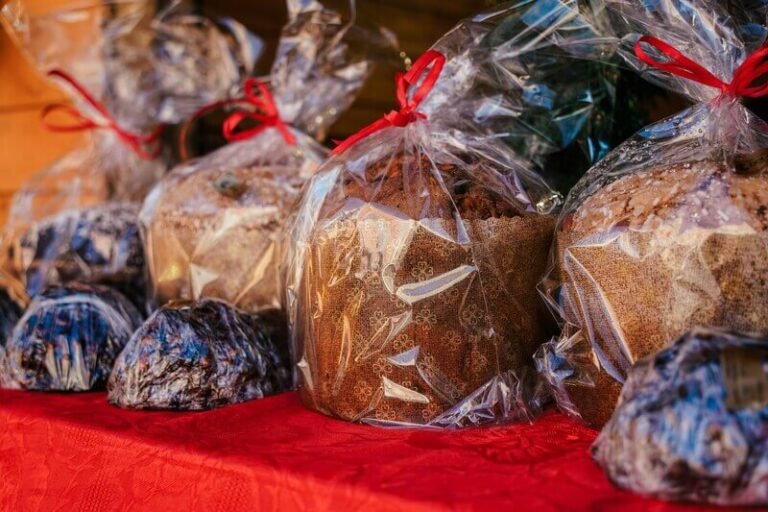
Foto di Gabriella Clare Marino su Unsplash
Foto di blackieshoot su Unsplash
Share this recipe
Lorem ipsum dolor sit amet, consectetur adipiscing elit. Ut elit tellus, luctus nec ullamcorper mattis, pulvinar dapibus leo.